How Medical Alarms New Zealand Are Changing Senior Independence
Understanding the Role of Medical Alarms for Seniors in New Zealand
I have spent years working with older adults and their families, and one thing I see consistently is the tension between wanting to stay at home and the worry of what might happen if no one is around. That tension is real, and it is why medical alarms New Zealand have become such an important part of the conversation around ageing in place. These devices are not just about pressing a button when you fall. They are about giving seniors the confidence to live their lives without constant fear, and giving families a way to stay connected even when they cannot be there in person.
The market in New Zealand has grown quickly, and for good reason. Our population is ageing, and many older people want to remain in their own homes rather than move into residential care. A medical alarm can be the difference between that being a safe choice and a risky one. But not all systems are created equal, and understanding what to look for is essential for making a decision that truly works for the person wearing it.
What Makes a Good Medical Alarm System
A basic medical alarm is a button you press to call for help. But the devices available today go far beyond that. The best systems combine a wearable pendant or wristband with a base unit that connects to a monitoring centre. When the wearer presses the button, they are connected to someone who can assess the situation and send help if needed. That might mean contacting a family member, a neighbour, or emergency services.
One of the most valuable features I have seen in recent years is fall detection. Falls are the leading cause of injury among seniors, and often the person who falls cannot reach the button. Automatic fall detection uses sensors to detect the motion and impact of a fall and trigger an alert even if the wearer is unconscious or unable to press the button. This is not a gimmick. It is a genuine life-saver. I have spoken with families who credit fall detection with getting help to their parent within minutes of an accident that could have been catastrophic if discovered hours later.
GPS tracking is another feature that adds real peace of mind, particularly for seniors who are still active and mobile. If someone wanders or becomes confused, their location can be pinpointed quickly. This is especially useful for those living with dementia or memory loss, where getting lost is a real risk. A medical alert with GPS can mean the difference between a quick reunion and a long, anxious search.

Two-Way Calling and Family Monitoring
Two-way calling is one of those features that sounds simple but changes everything. Instead of just pressing a button and waiting for someone to show up, the wearer can speak directly to a responder through the device. That means they can explain what happened, say whether they need an ambulance or just someone to help them up, and stay calm knowing someone is listening. It also helps the responder assess the situation more accurately before sending help.
Another shift I have noticed is the move toward family-monitored systems. Traditionally, medical alarms were tied to a call centre that handled everything. But many families now prefer to be the first point of contact. A system like Familyr, for example, allows family members to receive alerts directly through a mobile app. This means the caregiver can respond quickly, often faster than a centralised service, and they can decide whether to call emergency services or just go over and check in. It keeps the family involved and in control, which many people find reassuring.
No Monthly Fees and the Cost Question
Cost is a major factor when choosing a medical alarm. Many systems charge a monthly subscription fee, which can add up over time. For seniors on a fixed income, that ongoing cost can be a barrier. Some providers now offer devices with no monthly fees. You pay for the hardware upfront, and that is it. This model can be more affordable in the long run, and it removes the worry of having to cancel a subscription if money gets tight. It is worth checking whether the device you are considering has ongoing costs, because the sticker price can be misleading.
Organisations like St John and Age Concern often provide information and support for seniors looking at these options. The ACC also has guidelines around falls prevention and assistive technology. It is worth looking into what local resources are available before making a decision.
Practical Considerations: Battery Life, Waterproofing, and Ease of Use
A medical alarm is only useful if it is worn and working. Battery life matters a great deal. Some devices need charging every day or two, which can be a hassle for someone who is not used to remembering that kind of routine. Others have batteries that last for months or even years. The best ones give you a low-battery warning well in advance so you are not caught off guard.

Waterproofing is another practical detail that is easy to overlook. If a fall happens in the bathroom or while washing dishes, the device needs to keep working. Many pendants and wristbands are now waterproof to a certain depth, which means they can be worn in the shower without worry. That is a big deal, because the bathroom is one of the most common places for falls to occur.
The design of the wearable itself also matters. A pendant that is too heavy or a wristband that irritates the skin will end up in a drawer. The best devices are light, comfortable, and discreet. Some people prefer a pendant that can be worn around the neck, while others find a wristband more natural. It is worth trying both styles to see which one the wearer will actually keep on.
Telehealth and the Bigger Picture
Medical alarms are part of a broader trend toward telehealth and remote monitoring. As technology improves, these devices are becoming more integrated with other health services. Some can track heart rate, activity levels, or sleep patterns and share that data with a caregiver or doctor. This kind of information can help spot early signs of decline or illness before they become emergencies. It is not just about responding to crises. It is about maintaining health and independence for as long as possible.
I have seen families use these systems to support a parent living alone after a spouse has passed away. The peace of mind it gives both the senior and the family is hard to overstate. Knowing that help is a button press away, and that someone will be alerted even if the person cannot press the button, allows everyone to relax a little. That is worth a lot.
When you start looking at medical alarms New Zealand, you will find a range of options. Some are basic. Some are packed with features. The key is to match the device to the person's lifestyle and needs. A very active senior might need GPS and long battery life. Someone who is frail and spends most of their time at home might prioritise fall detection and waterproofing. There is no one-size-fits-all solution, but there is a solution for nearly everyone.
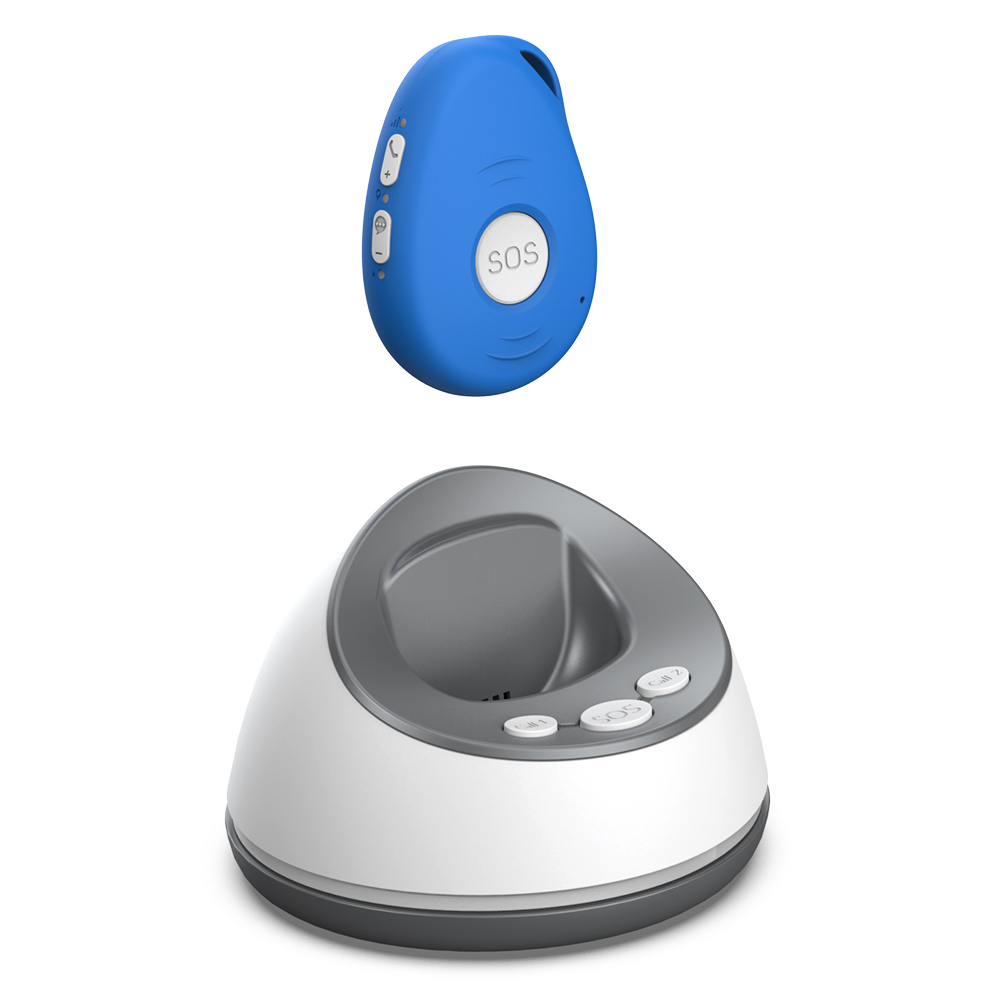
I recommend involving the senior in the decision as much as possible. If they feel the device is something chosen for them rather than with them, they may be less likely to wear it. Let them try the pendant or wristband, see how it feels, and understand how it works. A little bit of involvement goes a long way toward adoption.
Medical alarms New Zealand have matured into tools that genuinely support independent living. They are not a substitute for human connection, but they are a safety net that allows that connection to happen on better terms. For anyone considering one, the best advice I can give is to look at the full picture: features, costs, ease of use, and what the person wearing it actually thinks. That is what leads to a choice that works, and a device that gets worn every day.